Free E-Mail
Bible Studies
 Apostle Peter
Beginning the Journey (for new Christians). en Español
Old Testament
Abraham
Jacob
Moses
Joshua
Gideon
David, Life of
Elijah
Psalms
Solomon
Songs of Ascent (Ps 120-135)
Isaiah
Advent/Messianic Scriptures
Daniel
Rebuild & Renew: Post-Exilic Books
Gospels
Christmas Incarnation
(Mt, Lk)
Sermon on the Mount
(Mt 5-7)
Mark
Luke's
Gospel
John's Gospel
7 Last Words of Christ
Parables
Jesus and the Kingdom
Resurrection
Apostle Peter
Acts
The Early Church
(Acts 1-12)
Apostle Paul
(Acts 12-28)
Paul's Epistles
Christ Powered Life (Rom 5-8)
1 Corinthians
2 Corinthians
Galatians
Ephesians
Vision for Church
(Eph)
Philippians
Colossians,
Philemon
1
& 2 Thessalonians
1 & 2 Timothy,
Titus
General Epistles
Hebrews
James
1 Peter
2 Peter, Jude
1, 2, and 3 John
Revelation
Revelation
Conquering Lamb of Revelation
Topical
Glorious Kingdom, The
Grace
Great Prayers
Holy Spirit, Disciple's Guide
Humility
Lamb of God
Listening for God's Voice
Lord's Supper
Names of God
Names of Jesus
Christian Art
About Us
Podcasts
Contact Us
Dr. Wilson's Books
Donations
Watercolors
Sitemap
Theories of the Atonement
Part of JesusWalk -- Behold the Lamb of God
 Apostle Peter: Disciple Lessons from the Rock
|
|
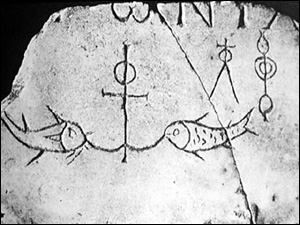
How can sinful man ever be accepted by a holy God? Many theories have been put forward to try to explain what is said in the scripture. All seem to have some aspect of the vast, complex truth of the atonement. Theories generally follow one of two directions::
- Subjective . The effect of the cross on the sinner.
- Objective . What the atonement achieves quite outside the individual.
These are over simplifications of the various theories, but enough to give you the gist of the argument.
- Moral Influence Theory . Describes the subjective effects of Christ's cross on the sinner. Abelard teaches that when we look at the cross we see the greatness of divine love, which delivers us from fear and produces in us an answering love, putting aside selfishness and sin. Popular among scholars in the liberal school.
- Atonement as Victory . Sees sinful people as belonging to Satan. God offers his Son to Satan as a ransom, but Christ cannot be held in hell and rises the third day in victory. Popular with the early church fathers.
-
Anselm's Satisfaction Theory
Five-week Bible study for the Lent or Easter season, Lamb of God, is available in PDF, Kindle, and paperback. Videos are available on YouTube. . Sin dishonors the majesty of a sovereign God. To offer appropriate satisfaction to the offense would require one as great as God himself, but must be offered by a one who is man. Thus the God-man is needed to provide full satisfaction for sin.
- Penal Substitution . The wages of man's sin is death. Christ endures death and God's punishment for sin in our stead. Popular with the Reformers.
- Sacrifice . Christ's saving act is a sacrifice for sin.
- Governmental Theory . Grotius argues that Christ did not bear our punishment, but suffered as a penal example whereby the law is honored while sinners are pardoned.
_________________________
The English word "atone" means "to supply satisfaction for, expiate," and derives from Middle English at + one, "to become reconciled." (Merriam Webster's Collegiate Dictionary, 10th Edition.)
References: Leon Morris, "Atonement, Theories of the," in Walter A. Elwell (ed.), Evangelical Dictionary of Theology (Baker, 1984), pp. 100-102. Geoffrey W. Bromiley, "Atone," International Standard Biblical Encyclopedia 1:352-360. C.M. Tuckett, "Atonement in the NT," Anchor Bible Dictionary 1:518-522. Wayne Grudem, Systematic Theology (Zondervan, 1994, 2000), pp. 579-582, 586.
Copyright © 2025, Ralph F. Wilson. <pastor joyfulheart.com> All rights reserved. A single copy of this article is free. Do not put this on a website. See legal, copyright, and reprint information.
 |
|
In-depth Bible study books
You can purchase one of Dr. Wilson's complete Bible studies in PDF, Kindle, or paperback format -- currently 48 books in the JesusWalk Bible Study Series.
Old Testament
- Abraham, Faith of
- Jacob, Life of
- Moses the Reluctant Leader
- Joshua
- Gideon
- David, Life of
- Elijah
- Psalms
- Solomon
- Songs of Ascent (Psalms 120-134)
- Isaiah
- 28 Advent Scriptures (Messianic)
- Daniel
- Rebuild & Renew: Post-Exilic Books
Gospels
- Christmas Incarnation (Mt, Lk)
- Sermon on the Mount (Mt 5-7)
- Luke's Gospel
- John's Gospel
- Seven Last Words of Christ
- Parables
- Jesus and the Kingdom of God
- Resurrection and Easter Faith
- Apostle Peter
Acts
Pauline Epistles
- Romans 5-8 (Christ-Powered Life)
- 1 Corinthians
- 2 Corinthians
- Galatians
- Ephesians
- Philippians
- Colossians, Philemon
- 1 & 2 Thessalonians
- 1 &2 Timothy, Titus
General Epistles
Revelation
Topical

 To be notified about future articles, stories, and Bible studies, why don't you subscribe to our free newsletter, The Joyful Heart, by placing your e-mail address in the box below. We respect your